About Visualisation. How Does a Sketch Differ from a Photorealistic 3D Visualisation?
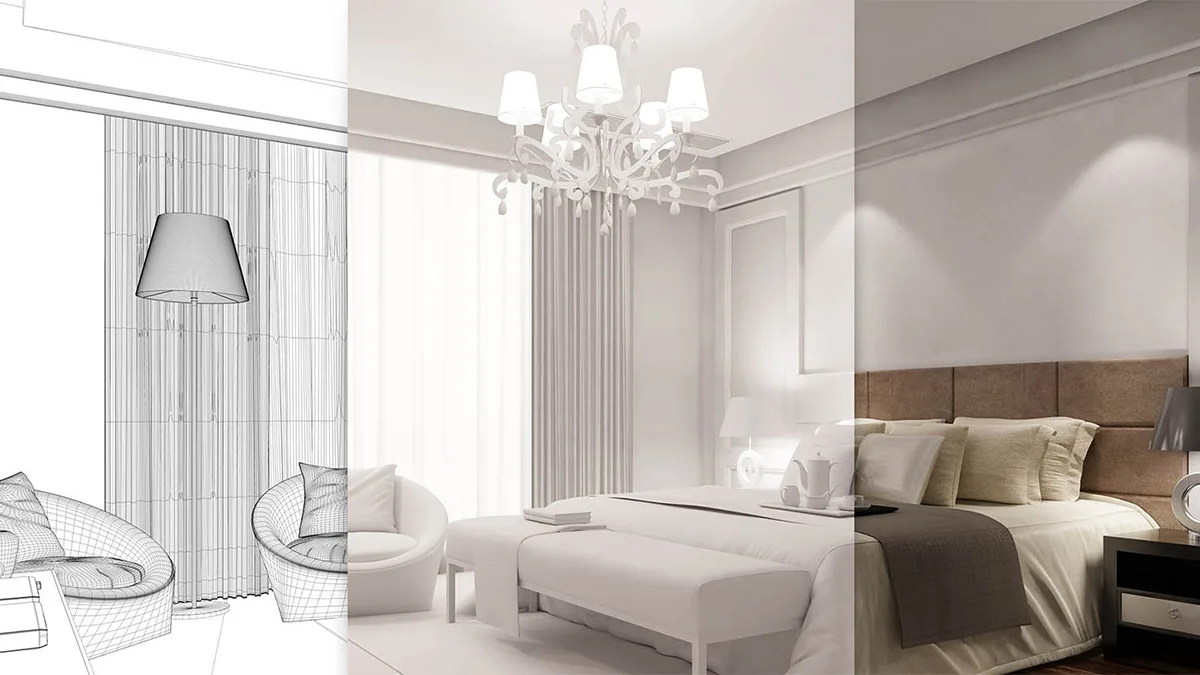
One question clients ask me almost every time: how does a sketch differ from a photorealistic 3D visualisation of an interior, and which of the two do you actually need? The basic design project includes 3D sketches, which are three-dimensional drawings of the interior. Photorealistic 3D visualisations can be commissioned in addition, and the client decides whether they need them.
How a sketch differs from a photorealistic 3D visualisation
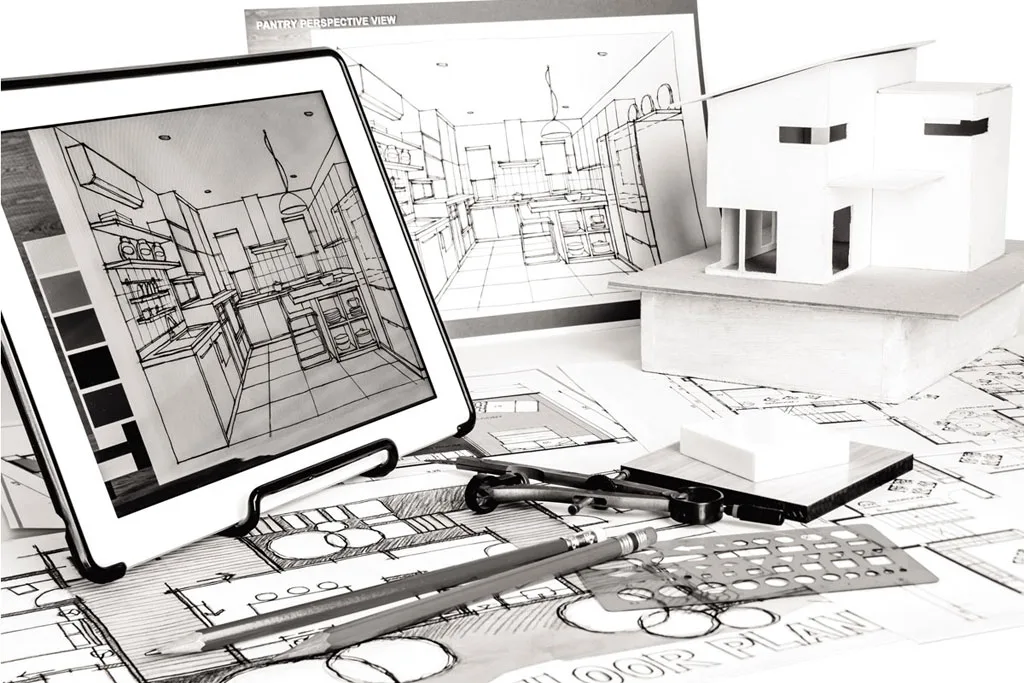
A sketch is a three-dimensional drawing that shows the layout, the arrangement and the general feel of a space. It is produced as the work goes along, so the client quickly sees, for example, the future layout in three dimensions. Most clients choose sketches: they are faster, they cost less, and they are enough to understand and to feel your own interior.
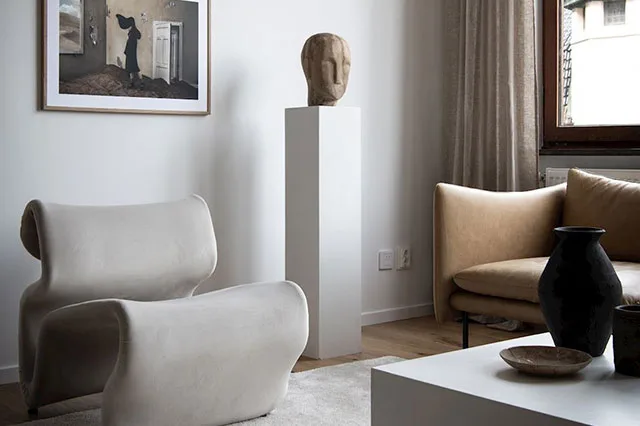
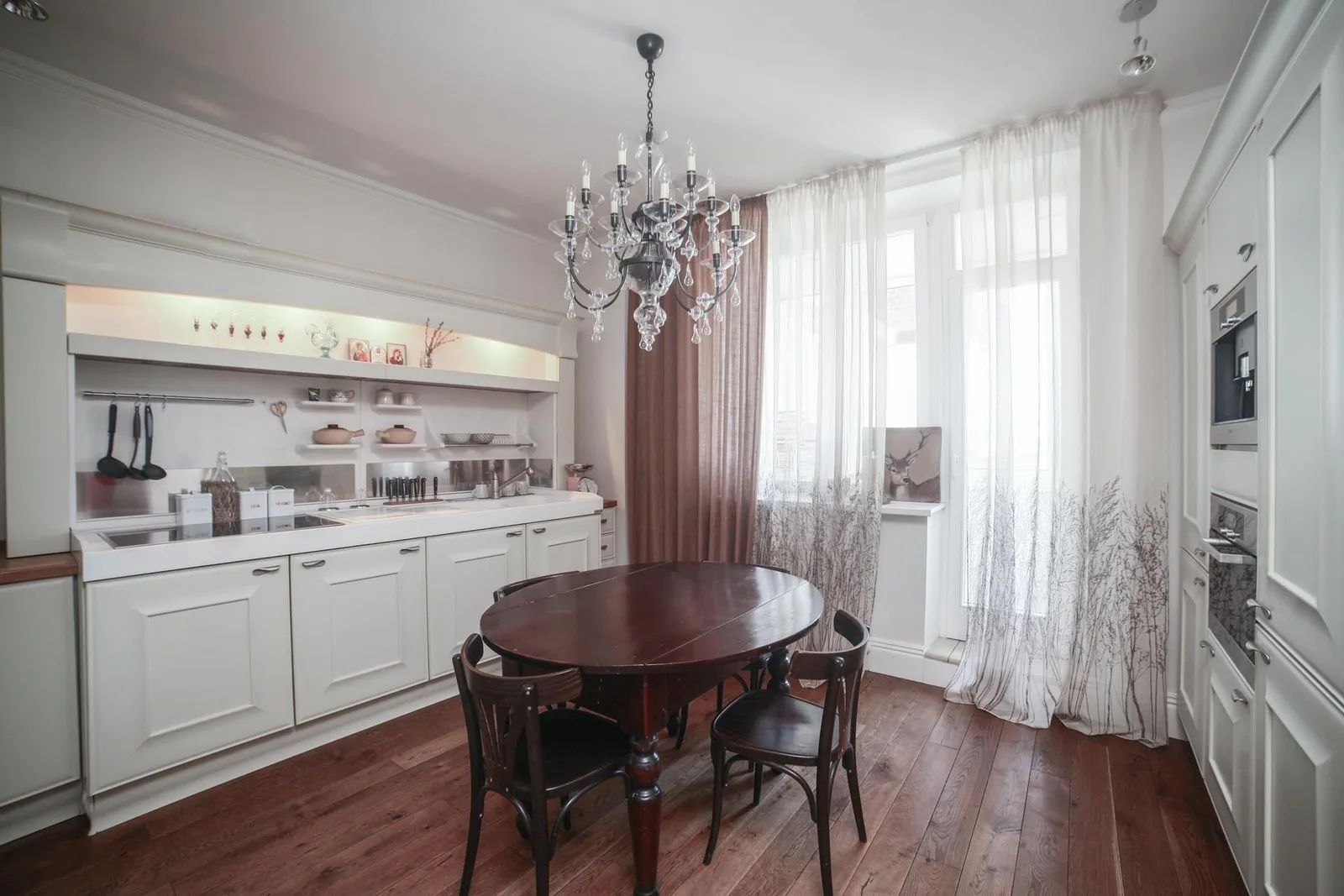
A photorealistic visualisation is an image as close as possible to a photograph of the finished interior, with exact materials, furniture, lighting and textures. It is produced once all the materials and furniture have been chosen and approved and the drawings are ready. That is why revisions after the visualisations are highly undesirable and difficult, and the number of free revisions is limited. Visualisations cost slightly more than sketches.
The main practical difference between working with sketches and visualisations
Clients often find it hard to settle on every final material and every piece of furniture. For visualisations that is critical, because they require all the decisions to have been made. Sketches let you move more flexibly and see the result as the work progresses. When you commission the project it is worth deciding in advance which you need, sketches or photorealistic visualisations, because the order of work and the budget both depend on it.
Sketch. Visualisation.
When visualisations can be skipped
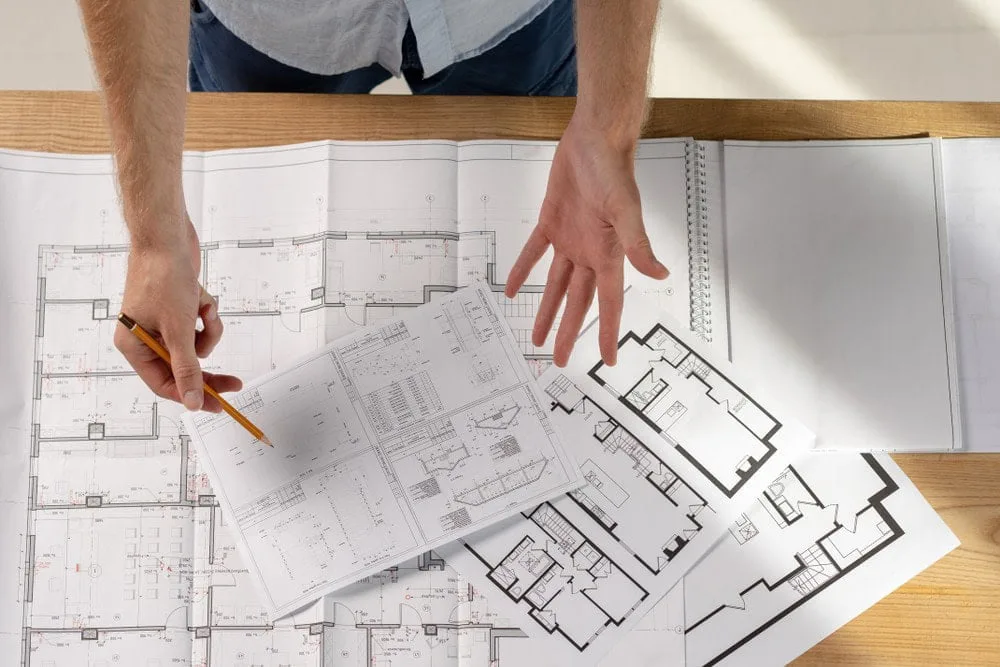
Sometimes a client insists on starting the build as soon as possible. I usually accommodate that, but I always explain what running the renovation in parallel with the project entails. If the client takes the consequences of that order of work on board, everything goes well: I change the standard sequence and start with the construction drawings. We work on the layout, then the drawings, I hand the drawing package to the client for the builders, and then we move on to choosing finishing materials. In that situation photorealistic visualisations are usually not needed.
Revisions to the visualisations
The contract includes one round of corrections to the visualisations, and it:
- must not exceed 10%;
- must not affect the layout;
- must not contradict the design brief;
- must be agreed with the designer, so that the changes do not break the overall concept.
If more revisions are needed, it makes sense to amend the design brief and carry out a redesign. To see how visualisation fits into the wider process, look at the stages of a design project.
Frequently asked questions
Does the basic design project include sketches or visualisations?
The basic project includes 3D sketches, three-dimensional drawings of the interior. Photorealistic 3D visualisations are commissioned separately if the client wants them.
How does a sketch differ from a photorealistic visualisation?
A sketch is a three-dimensional drawing made as the work goes along, showing the layout and the feel of the space. A visualisation is as close as possible to a photograph of the finished interior, but it requires every material and every piece of furniture to have been chosen and approved already.
How many rounds of revision to the visualisation are included in the contract?
One. It must not exceed 10%, must not affect the layout, must not contradict the design brief and must be agreed with the designer. Anything larger means a redesign.
Can I do without a photorealistic visualisation?
Yes. For most clients sketches are enough to understand and to feel the interior. And if the build starts earlier than usual and the work runs from the drawings, photorealistic visualisations are generally not required.